
HAMZA, Muhammad Ameer (25D504M)
Breathing Tree is a simple 2D game designed to help university students feel less anxious, without any special hardware or sensors. Players hold and release the spacebar to match a pulsing circle on screen, which naturally slows their breathing through a process called motor-respiratory coupling. Over five minutes, a cherry blossom tree grows through nine visual stages as the player keeps a steady rhythm.
The game was tested with 34 participants during the 2026 examination period. Players who used Breathing Tree reduced their anxiety by nearly 15 points on the STAI scale, around 76 percent more than those who listened to a guided meditation. They also felt more focused and noticed a real change in their breathing, without ever being told they were doing a breathing exercise.
This is the first study to show that a standard keyboard game can guide breathing therapeutically with no instructions or sensors. It runs on any ordinary computer in just five minutes, making it a practical and enjoyable mental health tool for students during high-pressure exam periods.
Programme: Master of Science in Game Development and Management (MSc-GDM)
Supervisor: Dr. Luna Liu
WANG, Chenyi (25D502M)
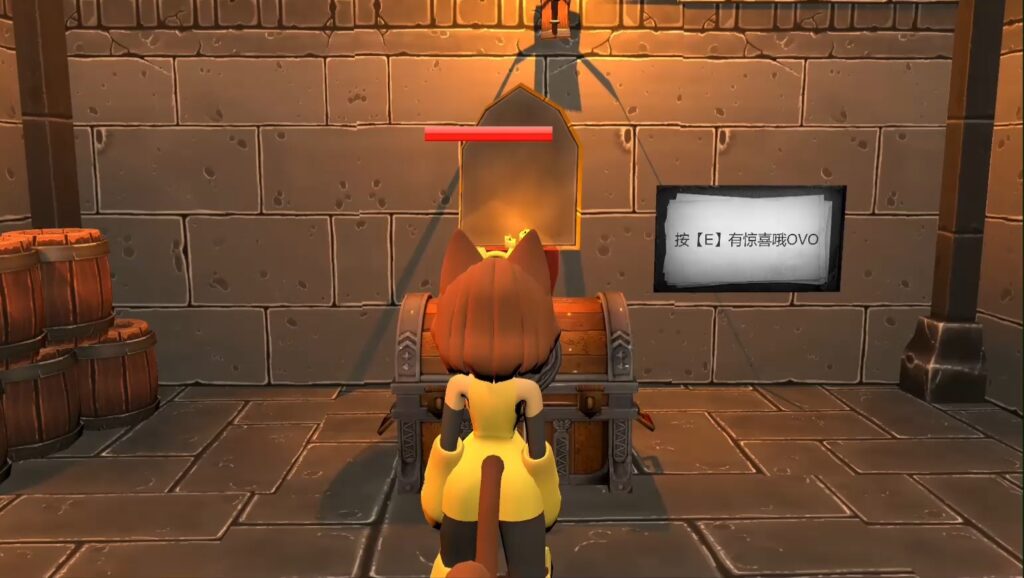
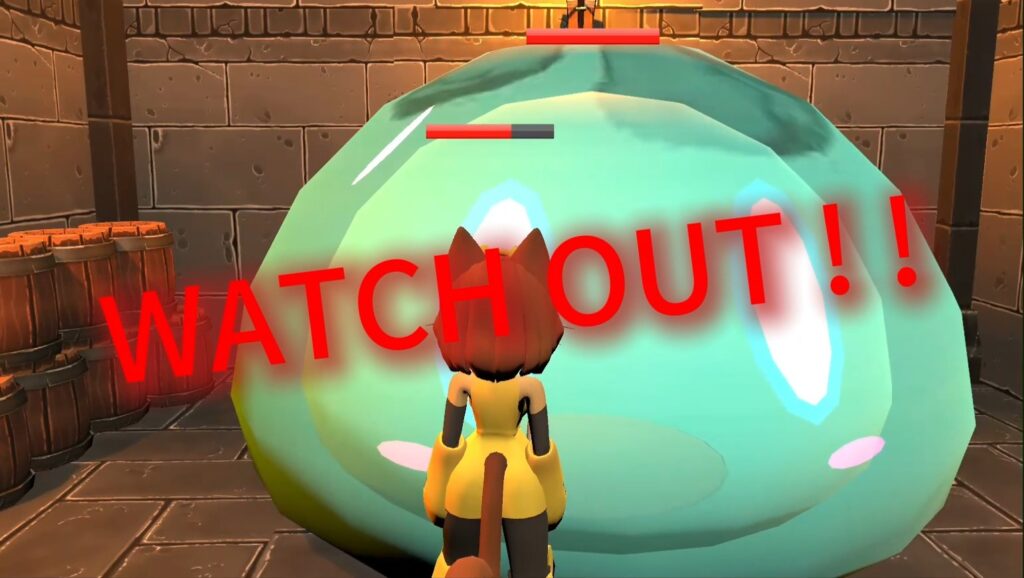
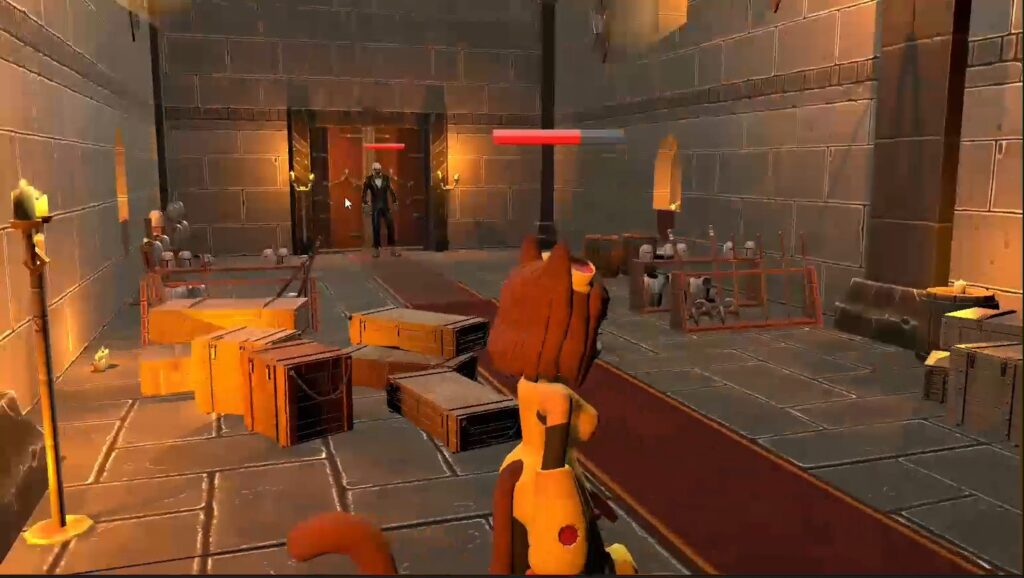
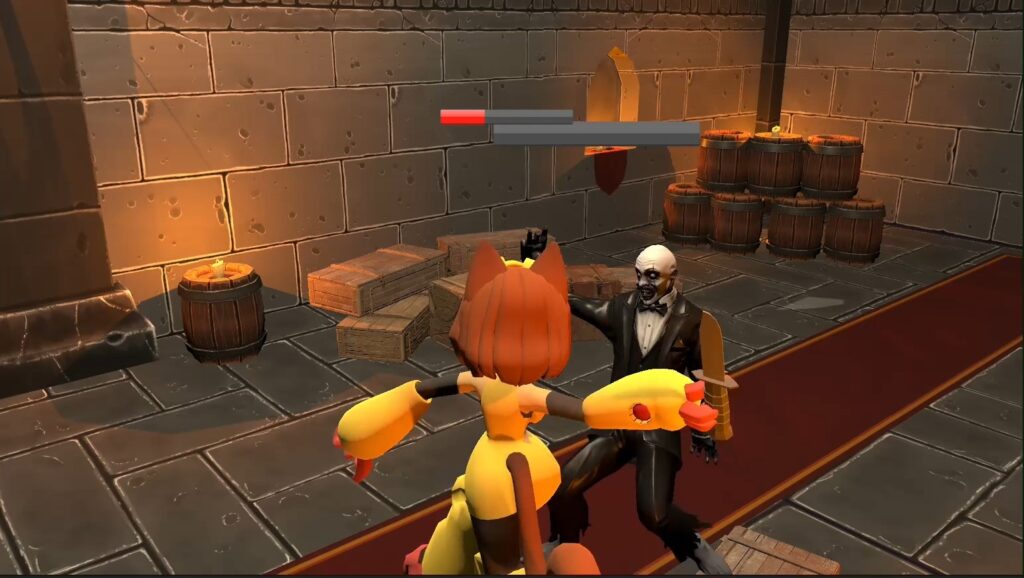
You will play the role of Li Mo, a company employee in the game. Due to an accident, you have unexpectedly traveled to a fantasy world. You embark on an adventure in this new world and constantly reflect on the wrong things you have done in the past. At the end of the game, you successfully bring peace to this world and achieve reconciliation with your past self in the original reality.
GONG, Hao Chen (25D503M)
“Mulan Shadow Puppetry Play” is an interactive game designed to bridge traditional Chinese shadow puppetry with contemporary youth culture, specifically targeting young Chinese adults to foster appreciation and engagement with this intangible cultural heritage. The game employs a dual-core design philosophy: “Historical Accuracy as the Skeleton, Female Empowerment as the Core,” ensuring cultural authenticity while resonating with modern values. Through a three-stage gameplay flow—Grandparent-Grandchild Dialogue, Character Assembly, and Performance Control—players transition from passive observers to active cultural interpreters, gaining hands-on experience with shadow puppet construction and storytelling. User studies with participants aged 22-25 demonstrated remarkable outcomes, with an average score of 4.8/5 in cultural understanding and a 92% increase in interest toward traditional shadow puppetry. By seamlessly integrating gamification theory with embodied cognition principles, the project creates an immersive learning environment that not only preserves cultural knowledge but also inspires a new generation to explore, appreciate, and potentially continue the legacy of Chinese shadow puppetry as a living art form.